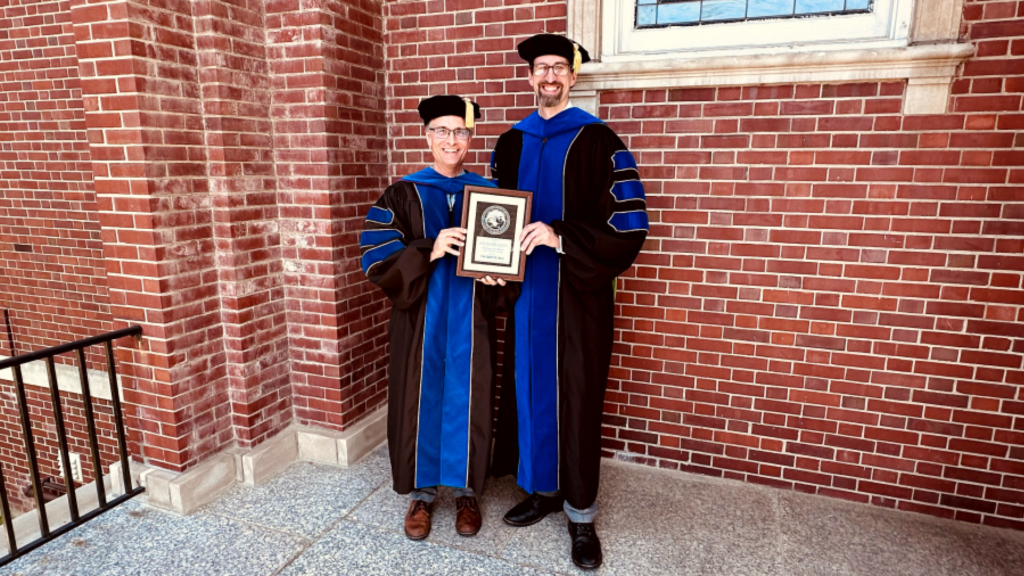
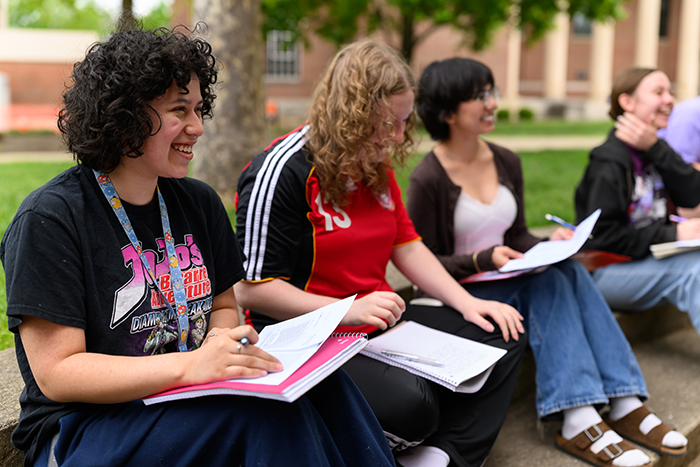
Join a close-knit community where professors know each student by name and classmates become lifelong friends. Students from around the world bring fresh perspectives to campus while gaining hands-on research opportunities, dedicated mentorship, and a supportive network that eases the transition to studying in the United States. Small class sizes foster real dialogue, and the surrounding Kentucky landscape provides a taste of American culture.
INTERNATIONAL ADMISSIONS REQUIREMENTS FOR FIRST-TIME FRESHMAN
- High School Transcript
- InCred Evaluation of Transcript (ordered at incredevals.org)
- One of the following test scores: ACT, SAT, TOEFL, or IELTS
- Passport
- Proof of Funding
International transfers with 24 credit hours only need to submit their transcript, passport, and proof of funding. They have an admissions deadline of 10 days prior to the start of the term.
DEADLINES
- Fall Semester — June 15
- Spring Semester — November 15
COLLEGE TERMS
ACADEMIC TERMS
Academic Advisor
A staff or faculty member assigned to help you choose classes and stay on track to graduate. You’ll meet with them every semester.
Academic Progress Checks (APCs)
Twice a semester, students are provided faculty feedback on their performance. Students may receive kudos or flags; flagged students should consult their professor to improve.
Add/Drop Period
The first week or two of a semester when you can still change your class schedule without penalty.
Course Catalog
The official, comprehensive list of all courses taught at an educational institution or training program. It acts as a master directory and includes key details like course descriptions, credit values, prerequisites, and grade levels.
Credit Hour
A unit that measures how much a class “counts.” Most classes are 3 credit hours. You typically need around 120 credit hours to graduate.
Freshman Seminar
Freshmen students will have the opportunity to take GSC101, a one-credit-hour course co-taught by a faculty advisor and an upperclassman. This course is designed to give students the opportunity to adjust to college in a small, supportive environment while also learning important skills such as course scheduling, degree planning, and effective time management. Students who belong to one of our Programs of Distinction will be placed in specially designed sections of GSC101 with students in their cohort.
GPA
Grade Point Average. A number, usually on a 4.0 scale, that measures your average grade across all your classes.
Lower-Level Courses
Lower-level courses are numbered 100 and 200. They require no or limited prerequisites. They are introductory courses or part of a series of basic courses in a discipline.
Major/Minor
Your major is your main area of study. A minor is a smaller, secondary area of focus — not required, but sometimes useful.
Office Hours
Set times when a professor is available in their office just to talk with students about the class, career advice, anything. It’s free help; use it.
Prerequisites
A class you must complete before you’re allowed to register for a more advanced one.
Syllabus
A document each professor gives you that lays out the whole course — what you’ll learn, when assignments are due, and how you’re graded. Read it closely; it’s basically the rulebook for that class.
Transcript
The official record of every class and grade you’ve earned. You’ll need this for jobs, grad school, and transferring credits.
Upper-Level Courses
Upper-level courses are numbered 300 and 400. They build on the knowledge and skills developed in lower-level courses; students have increased responsibility for their own learning.
FINANCIAL TERMS
Cost of Attendance (COA)
The full estimated cost of a year at college: tuition, fees, room and board, books, and personal expenses. This is the number your financial aid gets measured against, not just tuition.
FAFSA
Free Application for Federal Student Aid. The form that determines what grants, loans, and work-study you qualify for. You fill it out every year.
Financial Aid Package
The combination of scholarships, grants, loans, and work-study the college offers to help you pay for school.
Grant
Money you don’t pay back, usually based on financial need (e.g., the federal Pell Grant).
Payment Plan
An option to split your semester bill into smaller monthly payments rather than paying it all at once.
Scholarship
Money you don’t pay back, usually based on merit, talent, or a specific identity/interest.
Subsidized Loan
A federal loan where the government pays the interest while you’re in school. Cheaper than unsubsidized loans.
Tuition vs. Fees
Tuition pays for instruction; fees are separate charges for things like technology, activities, or health services. Your bill often lists them separately.
Unsubsidized Loan
A federal loan where interest starts accumulating immediately, even while you’re still in school.
Work-study
A financial aid program that lets you earn money through a part-time campus job, often in a field connected to your interests.
STUDENT LIFE
ResLife
Residence Life Office (ResLife) manages all Residence Life and Housing, located on the third floor of the Cralle Student Center, including offices for the Director, Assistant Director, Housing Coordinator, and Area Coordinators. We ensure your living environment is comfortable and safe.
ACs
Area Coordinators (ACs) are live-in Residence Life staff overseeing multiple halls, supervising RHCs & RAs. They support serious concerns, handle complex situations, conduct processes, and provide guidance. They also run residential education programs. All ACs are available by appointment.
RHCs
Residence Hall Coordinators (RHCs) are live-in upperclassmen staff overseeing residence halls. They supervise and support Resident Assistants (RAs), hold weekly on-call hours, organize programs, meetings, group chats, safety procedures, and address student concerns.
RAs
Resident Assistants (RAs) are student staff living on each floor who help you adjust to campus, build community, plan events, enforce standards, and connect you with campus resources.
LRC
Abbreviation for the Ensor Learning Resource Center. The LRC, GC’s library, is a main campus hub with classrooms, study spaces, art galleries, the Mulberry Café, and more.
The Bookie
A 24-hour study space equipped with study spaces, printers, whiteboards, and copiers for those all-night studying sessions; located in the LRC.
The Quad
Most of GC’s dorms are on what is referred to as South Campus. In the middle of these dorms is a grassy area known as the Quad. On a nice day, you will find GC students hanging out together in this area. It’s home to events such as Grubfest and Homecoming brunches.
Songfest
A GC tradition that takes place during the spring semester. It is a competition centered on a theme chosen by the student body, complete with singing, a skit written by the students, dancing, and more.
GAC
The Georgetown Activities Council assists Student Life in brainstorming, planning, and presenting fun events.
NEXUS
Nexus events allow students to earn credit for attending cultural events, chapels, and even travel. 48 Nexus Credits are required for graduation.
SGA
The Student Government Association (SGA) serves as the students’ voice, promoting initiatives, events, and information while supporting registered clubs with opportunity, funding, and guidance.
TIPS FOR SUCCESS
Go to class, buy your books, check your email.

Go to office hours, even if you don’t have a question. Professors want to know you. Showing up builds a relationship that can help you later with recommendation letters, research opportunities, or just someone in your corner.
Talk to your advisor often, not just once a semester. If something feels off with a class, your schedule, or your plans, tell them early. They can only help if they know.
Use a planner or calendar app. College freedom means no one is reminding you when things are due. Write down every deadline the moment you learn about it.
It’s okay to ask “dumb” questions. If you don’t know what something means, you’re probably not the only one. Ask anyway.
Find your people. Clubs, student organizations, and study groups aren’t just extracurriculars; they’re where friendships and support systems form.
Every office in this guide exists to help you for free. Tutoring, counseling, career advice- you’ve already paid for these services through tuition. Use them.
Struggling doesn’t mean you don’t belong. Every student hits a hard moment. What matters is knowing where to go for help, and this guide is where you start.
OFFICES AND WHAT THEY DO
ACADEMIC FAIRNESS AND POLICY
Handles academic integrity cases and policy appeals.
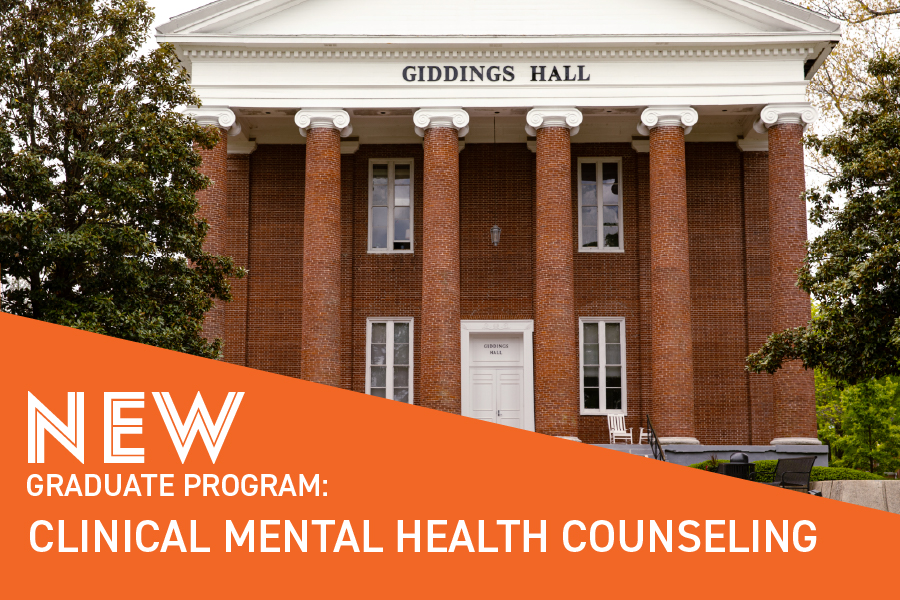
Giddings Hall, Second Floor
Phone: 502.863.7978
EMAIL
OFFICE OF ACADEMIC SUPPORT/ACADEMIC SUCCESS
Provides advising and tutoring for student success.
Highbaugh Hall, First Floor
Phone: 502.863.7070
EMAIL
ACCOMMODATION SERVICES
Coordinates disability accommodations for students.
Highbaugh Hall, First Floor
Phone: 502.863.7073
EMAIL
FINANCIAL PLANNING
Manages tuition billing and payment plans.
Giddings Hall, First Floor
Phone: 502.863.8027
EMAIL
GRAVES CENTER FOR CALLING AND CAREER
Helps with resumes, internships, job searches, and interview prep — starting freshman year, not senior year.
HEALTH SERVICES
Provides on-campus medical care for students
407 Hollyhock House
Phone: 502.863.8201
EMAIL
INFORMATION TECHNOLOGY SERVICES
Maintains the campus’s technology infrastructure and supports student and staff technology.
Cooke Memorial Building, Third Floor
Phone: 502.863.4357
EMAIL
OFFICE OF THE PROVOST
Leads the College’s academic programs and faculty.
Giddings Hall, Second Floor
Phone: 502.863.8146
EMAIL
OFFICE OF THE REGISTRAR
Manages your official class schedule, grades, and transcript (your record of every class you take).
Highbaugh Hall, First Floor
8:00 AM to 4:30 PM
Monday to Friday
Phone: 502.863.8024
EMAIL
STUDENT ACCOUNTS
The office that handles your tuition bill and payments. Manages your GCard.
Giddings Hall, First Floor
Phone: 502.863.8700
EMAIL